




Free Resources & Insights
Access free tools, videos and resources to help you understand your options and take action.
Free Resources & Insights
Access free tools, videos and resources to help you understand your options and take action.
A Central Resource for Knowledge, Action, and Clarity
Curated by Attorney Eric Esteban Cardenas
Legal problems are hard enough without having to guess what to do next.
This Resource Hub is here to help you understand your rights, learn what information may matter, and take the next step with more confidence. Whether your issue involves a serious injury, a dangerous product, a mass tort claim, or an immigration matter, these resources are designed to give you clear, practical guidance before you make an important decision.
Here, you will find blog articles, step-by-step guides, case updates, legal explainers, and helpful content from Eric Cardenas LAW across Facebook, Instagram, YouTube, and TikTok.
You can also use our case review tools to help organize what happened, identify records that may be important, and understand whether your situation may need further legal review.
The goal is simple: help you stop guessing.
These resources are not a substitute for legal advice, and reading them does not create an attorney-client relationship. But they can help you better understand your options, avoid common mistakes, and prepare for a more useful conversation with a legal team.
I will continue expanding this hub with more guides, videos, and answers to common legal questions. If there is a topic you would like me to cover, please let me know.
Start here. Learn what matters. Then take the next step with confidence.
The Blog
Deep Dives, Investigations, Step-By-Step Guides, and Articles.
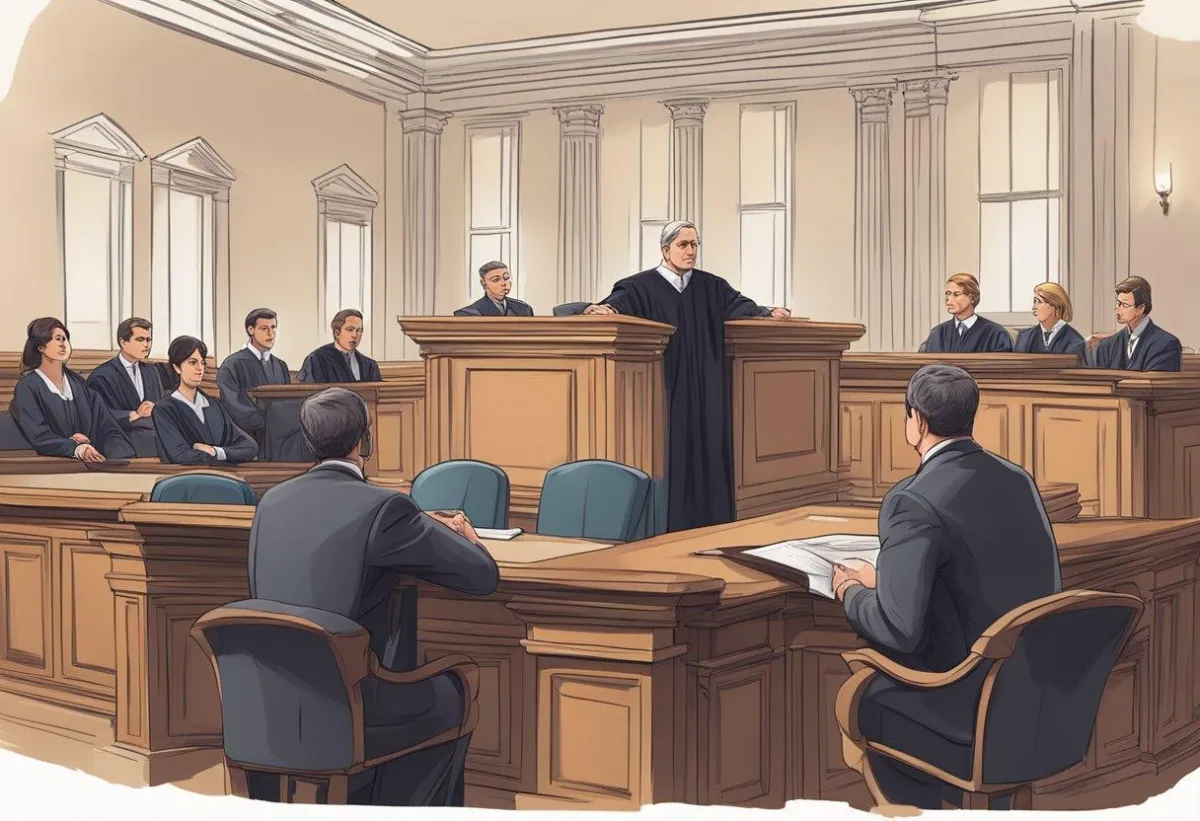
Roundup Lawsuit Overview: Key Developments and Legal Insights
Roundup Lawsuit Overview: Key Developments and Legal Insights
Roundup, the widely used herbicide, has been at the center of legal scrutiny over the past several years. The concerns primarily revolve around the active ingredient glyphosate, which some studies have linked to cancer. These legal issues have led to a significant number of lawsuits filed by individuals who claim they have been adversely affected by the product. The litigation surrounding Roundup includes claims that Bayer AG, formerly known as Monsanto, the manufacturer, failed to warn users about the potential risks associated with its use.
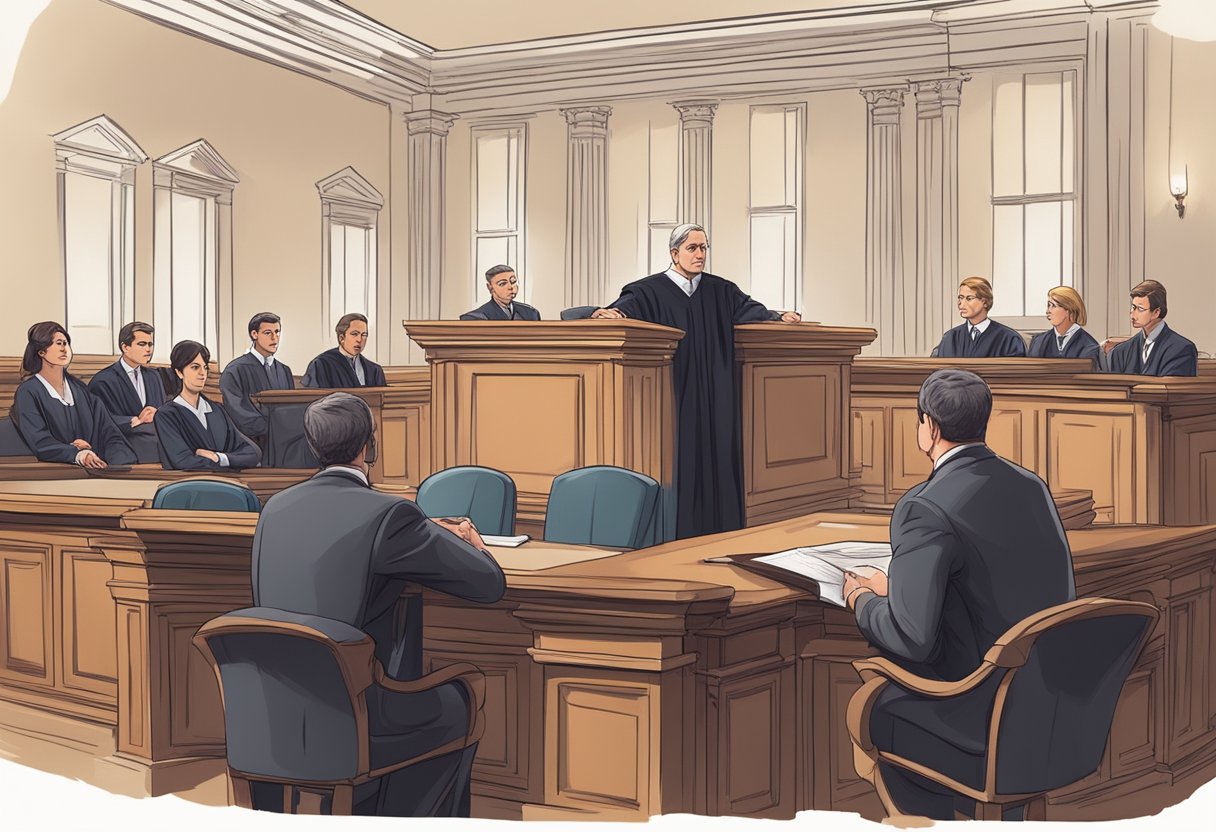
The legal battles have not only questioned the safety of Roundup but have also highlighted the role of regulatory bodies and the adequacy of their assessments. Courts have become pivotal arenas for examining scientific evidence and determining the liability of manufacturers. The outcomes of these lawsuits could have far-reaching implications for future regulation of chemicals and consumer safety. For those seeking legal recourse, understanding the historical context, the nuances of the litigation process, and the options for legal representation is crucial.
Key Takeaways
Roundup litigation has raised concerns about the safety of glyphosate.
Lawsuits have questioned the adequacy of regulatory assessments and manufacturer liability.
Understanding the litigation process is vital for those affected.
Background of Roundup
Before delving into the intricate details of Roundup, it's crucial for you to understand its history, development, and the controversies that surround it. This section will guide you through its origins, the merger that broadened its market, the regulatory debates, research findings, public disputes, key lawsuits, and the involvement of environmental bodies.
Development and Use of Roundup
Roundup, developed by Monsanto in the 1970s, rapidly became one of the most popular herbicides globally. Its active ingredient, glyphosate, is effective in killing a wide range of weeds and grasses. Its usage in agriculture soared due to its efficacy in facilitating no-till farming, which helps in soil conservation.
The Acquisition of Monsanto by Bayer
In 2018, Bayer AG, a German multinational, acquired Monsanto, thereby taking over the Roundup brand. This acquisition positioned Bayer as a dominant force in the agricultural sector, but also transferred the mounting legal challenges associated with Roundup to the company.
Regulatory Position and Health Risks
The Environmental Protection Agency (EPA) has historically considered glyphosate to be safe when used as directed. However, the International Agency for Research on Cancer (IARC), a branch of the World Health Organization (WHO), classified glyphosate as "probably carcinogenic to humans" in 2015, leading to worldwide debates over its safety.
Scientific Studies On Glyphosate
Various scientific studies, including those published by the Journal of the National Cancer Institute, have investigated glyphosate's potential link to cancer, particularly Non-Hodgkin lymphoma. Results have been mixed, fueling both sides of the public discourse.
Public and Legal Controversy
The controversies around Roundup's safety have galvanized public opinion. Environmental protection groups have campaigned against its use, citing health concerns. This has led to numerous Roundup cancer lawsuits across the United States, culminating in multi-billion dollar verdicts against Bayer.
Landmark Cases and Trials
High-profile cases, such as those of Dewayne Johnson in San Francisco and verdicts from St. Louis ($1.5 billion verdict in November 2023) and San Diego ($332 million verdict in November 2023) juries, have brought the issue to the forefront. These trials, some part of the Roundup MDL, have often resulted in significant financial judgments against Bayer.
The Role of Environmentalists and NGOs
Environmentalists and NGOs have played a key role in spotlighting potential health risks and advocating for more stringent regulations on glyphosate-based herbicides. National Geographic, among others, has reported extensively on the societal and environmental implications of widespread herbicide use.
As you explore the fabric of the Roundup narrative, consider the array of entities and the importance of balanced scientific evidence in shaping the ongoing litigation and regulatory discourse.
Litigation Process

As you navigate through the complexities of the Roundup litigation process, it's crucial to understand the steps involved, from filing a lawsuit to potential appeals. You'll learn about the intricacies of the legal system, including the significant milestones and terms that will guide you through this journey.
Filing a Roundup Lawsuit
To initiate a Roundup lawsuit, you must present a claim with proper legal representation. This claim will outline your exposure to Roundup, the harm suffered, and the compensation sought. Roundup lawyers specialize in these cases and can provide guidance on how to proceed with your individual lawsuits or join a Multidistrict Litigation.
The Multidistrict Litigation System
When many lawsuits share common issues, they may be consolidated in an MDL (Multidistrict Litigation) to streamline pretrial processes. The Roundup MDL centralizes federal cases to improve efficiency and consistency in rulings. A federal judge oversees these procedures, which can influence later trials or settlements.
Key Legal Terms Explained
Knowing the legal terminology is vital: Compensatory damages cover actual losses, while punitive damages aim to punish wrongful behavior. Liability refers to legal responsibility, a verdict is a formal decision by the jury, and a settlement involves negotiation without continuing to a verdict.
Major Settlements and Verdicts
Significant settlements and verdicts have marked the Roundup litigation landscape, with some cases resulting in substantial compensatory and punitive damages. These outcomes not only reflect individual case specifics but also help shape expectations for future cases.
Appeals and Supreme Court Decisions
Dissatisfied parties can seek an appeal, a process examining if the law was correctly applied during the trial. Cases can move higher in the judicial system, potentially reaching the Supreme Court. The Ninth Circuit is notable for hearing several appeals related to Roundup litigation.
Eligibility and Statute of Limitations
Your eligibility to file a claim depends on factors like the extent of Roundup exposure and linking it to your injuries. There's a statute of limitations to consider, which defines the time frame within which you must act to preserve your legal rights.
Update on Current and Pending Cases
Stay informed about lawsuit updates as pending cases continue to evolve. Legal landscapes shift, making it vital to remain vigilant about current legal proceedings that might impact your or others' Roundup litigation outcomes.
Impact on Plaintiffs

Roundup lawsuits have brought critical issues to light, primarily concerning the compensation for health damages and the long-term consequences faced by those exposed to the herbicide. If you've used Roundup and have experienced health concerns, understanding the potential impact on plaintiffs is essential.
Victim Compensation
You may seek compensatory and punitive damages if you prove Roundup exposure caused your health issues. Compensatory damages aim to cover medical bills, lost wages, and suffering, while punitive damages are awarded if Monsanto's conduct is proven to be especially harmful. Numerous plaintiffs have already been awarded significant compensatory settlements, acknowledging the link between Roundup and health risks such as non-Hodgkin’s lymphoma.
Medical Concerns and Diagnosis
When you're exposed to Roundup, you might face an increased risk of developing serious health conditions, including non-Hodgkin’s lymphoma, leukemia, chronic lymphocytic leukemia, and multiple myeloma. The diagnosis typically considers symptoms, medical history, and exposure levels. Moreover, Roundup has been associated with DNA and enzyme disruption, potentially increasing the risk of cancer.
Life After Litigation
Post-litigation, plaintiffs often continue to face challenges, including ongoing medical treatments and financial strains despite having received settlements. Some solutions and support systems can mitigate these difficulties, such as cancer support groups and financial counseling tailored to aid those who have settled their Roundup lawsuits. It's important to be aware of all your options for navigating life after litigation.
Legal Assistance and Representation

When seeking justice in the Roundup litigation, effective legal assistance is paramount. The right lawyer will ensure that your case is handled with the expertise the complex litigation demands.
Choosing the Right Roundup Lawyer
To select a competent Roundup lawyer, look for someone with a strong track record in multidistrict litigation (MDL). They should be well-versed in the nuances of the Roundup settlement process and have a successful history of representing similar clients.
The Role of Law Firms in MDL
Law firms play a crucial role in MDL cases, where lawsuits with common issues are consolidated. Firms like Attorney Tom & Associates specialize in such cases, streamlining the litigation process and working toward a resolution that may include substantial Roundup settlements.
Impact of Legal Developments
Stay informed about legal developments in the Roundup MDL. These precedents can affect your case's outcome, as laws and prior rulings set the standard for your legal representation.
Resource for Affected Individuals
Resources like FAQs and legal chatbots can provide you with preliminary guidance. However, consulting with a lawyer is advised for tailored advice, particularly if you are a home gardener, a commercial farmer, groundkeeper or a survivor of someone impacted by Roundup.
Legal Advice for Residential Users
If you're a residential user and believe you've been affected by Roundup, legal advice is essential. Homeowners have won cases against large corporations, and your claim is just as valid.
Support for Agricultural Workers
Experienced Roundup lawyers are crucial for farmers and agricultural workers. Your lawyer should understand the agricultural context to provide representation that accounts for the specifics of your occupation.
Advice for Non-Primary Exposure Victims
If you suspect exposure to Roundup without being the primary user—perhaps a spouse or landscaper—it's beneficial to seek a lawyer who has represented non-primary exposure victims. They can navigate complexities unique to your situation.
Frequently Asked Questions
In this section, you'll find concise, yet comprehensive answers to common inquiries regarding the Roundup litigation process, recognized ailments, recent case developments, settlement calculations, claim eligibility, and reputable attorneys for representation.
What is required to prove a claim in the Roundup litigation?
To prove a claim in the Roundup litigation, you must demonstrate that you were exposed to Roundup and that this exposure is the cause of your diagnosed medical condition. Scientific evidence linking the herbicide glyphosate, Roundup's primary ingredient, to your illness is also critical.
What ailments are recognized for the Roundup litigation settlements?
The ailments recognized for Roundup litigation settlements predominantly include Non-Hodgkin Lymphoma and other cancers that have been scientifically linked to the long-term exposure to glyphosate.
Are there any recent developments in the Roundup legal cases?
Recent developments in Roundup legal cases may include new scientific research, court rulings, or changes in the regulatory status of glyphosate; staying updated with court proceedings and judgments is essential for current and potential future claims.
How are settlement amounts determined in the Roundup settlements?
Settlement amounts in the Roundup cases are determined by factors such as the extent of your exposure, the severity of your illness, state laws, and precedent in previous cases. Economic and non-economic damages, including medical costs, lost wages, and pain and suffering, are also considered.
What are the criteria for eligibility in the Roundup compensation claims?
The criteria for eligibility in Roundup compensation claims often require you to have a medical diagnosis that can be linked to Roundup exposure, sufficient evidence of product use, and a claim filed within the statute of limitations for your jurisdiction.
Who are considered the top attorneys for representing Roundup cases?
Top attorneys representing Roundup cases are those with a strong track record in product liability and mass tort litigation, particularly in lawsuits involving harmful pesticides. Experience in securing settlements or verdicts against agrochemical companies can indicate a firm's efficacy.

The Social Media Channels
Find us on Instagram, Facebook, TikTok, YouTube, and LinkedIn.
TikTok
YouTube


Copyright 2026 | Eric Cardenas LAW, PLLC